
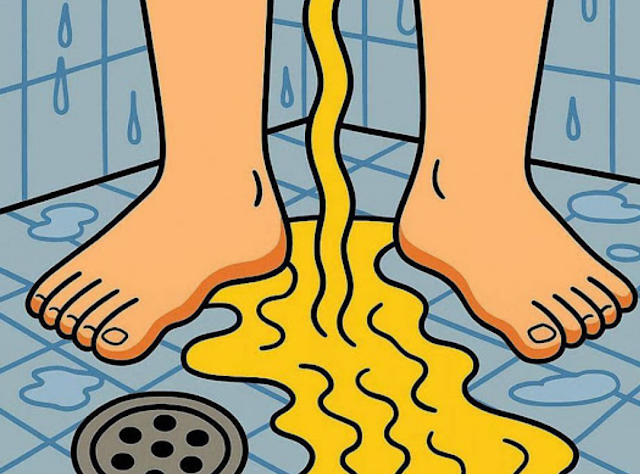
Peeing in the Shower: Surprising Benefits and Risks You Didn’t Know About
Many bathroom habits often spark debate, and one that has been both praised and criticized is the act of peeing in the shower. While it might seem like a harmless and even practical choice, it raises questions about hygiene, health, and social norms. This article explores the benefits and risks associated with this everyday activity, along with its environmental implications and what you need to consider before making it part of your routine.
The Benefits of Peeing in the Shower
Despite the stigma surrounding it, there are some surprising advantages to urinating in the shower. Here’s a closer look at the potential benefits.
1. Water Conservation
One of the standout benefits of peeing in the shower is its potential to conserve water. Traditional flushing toilets can use up to 1.6 gallons of water with each flush. By urinating in the shower, particularly during your bathing routine, you can significantly reduce the amount of water wasted. This eco-friendly practice not only helps save water but also supports environmental sustainability efforts.
2. Time Efficiency
For many people, multitasking is a vital part of their busy lives. Relieving yourself while showering can save time, allowing you to enjoy a quicker morning routine. Instead of making a separate trip to the toilet, you can maximize your time spent in the shower, thus streamlining your personal hygiene efforts.
3. Potential Skin Benefits
Urine is primarily composed of water, but it also contains urea, creatinine, and various other compounds. Some people believe that pee may have positive effects when it comes in contact with the skin. For instance, urea is used in many skincare products due to its moisturizing properties. While more research is needed to substantiate claims regarding urine’s benefits to the skin, there’s a possibility that peeing in the shower could inadvertently provide some level of skin hydration.
The Risks of Peeing in the Shower
While there are benefits, there are also several risks associated with this bathroom habit that should not be ignored. Below are some potential concerns.
1. Hygiene Concerns
One of the most significant risks of urinating in the shower is the potential for unhygienic conditions. While urine is generally sterile, it can still pose risks, especially in shared shower environments. Residual urine can lead to bacteria growth if not properly washed away, which could contribute to hygiene issues, leading to skin irritations or infections.
2. Odor Issues
Another concern relates to odor. If not adequately rinsed away, urine can cause unpleasant smells, particularly in larger facilities such as gyms or public showers. This can be embarrassing for individuals and may affect the overall experience of others using the same facilities.
3. Social Stigma
Peeking into the social aspect, many people hold negative views regarding urinating in the shower. This stigma can lead to feelings of embarrassment or shame, affecting your self-esteem. If others find out about your habit, it may result in judgment or criticism, which could deter individuals from adopting this practice.
Health Considerations
Beyond hygiene and social implications, there are health considerations to keep in mind when discussing the topic of peeing in the shower. Here are some aspects to consider.
1. Urinary Tract Health
One essential health aspect to keep in mind is your urinary tract health. If you frequently feel the need to urinate, it may indicate underlying health concerns, such as a urinary tract infection (UTI). Relying on showering to relieve this urge could mask symptoms of a more serious condition. Always consult a healthcare provider if you experience discomfort or abnormalities in urination.
2. Mindful Hydration
Another interpersonal health aspect relates to hydration levels. Urinating can sometimes be a signal that it’s time to focus on maintaining proper hydration. Regularly hydrating your body can help maintain healthy urine production and overall well-being. Peeing in the shower could encourage some individuals to disregard their hydration responsibilities, leading to potential dehydration.
Showering Etiquette and Practices
Understanding showering etiquette can also lend insight into the appropriateness of urinating in the shower. Here are some etiquette tips to consider.
1. Personal Baths vs. Shared Showers
There’s a distinct difference in the appropriateness of urinating in one’s private bath versus a shared public shower. In private spaces, individuals may feel more at ease to engage in the practice without feeling judged. However, shared facilities often require greater consideration for others, and it’s essential to prioritize hygiene and common courtesy.
2. Cleanliness is Key
If you choose to pee in the shower, remember that rinsing thoroughly is crucial. Be sure to wash the area down with water to eliminate any residual odor and bacteria. Good post-peeing hygiene not only protects your skin but also ensures that the shower remains a clean environment for all users.
Conclusion: To Pee or Not to Pee in the Shower?
In summary, the practice of urinating in the shower encompasses both benefits and risks. Advocates argue for water conservation and time efficiency, while critics highlight hygiene concerns and social stigma. Ultimately, the decision to pee in the shower is a personal one that requires careful consideration of both the environmental impacts and potential health risks. Whether you choose to engage in this practice or not, what remains constant is the importance of maintaining good hygiene and being mindful of your surroundings.
As you weigh your options, remember to prioritize your health and well-being, keeping in mind that the bathroom is a personal sanctuary—and the habits you develop inside can reflect your values and lifestyle choices.