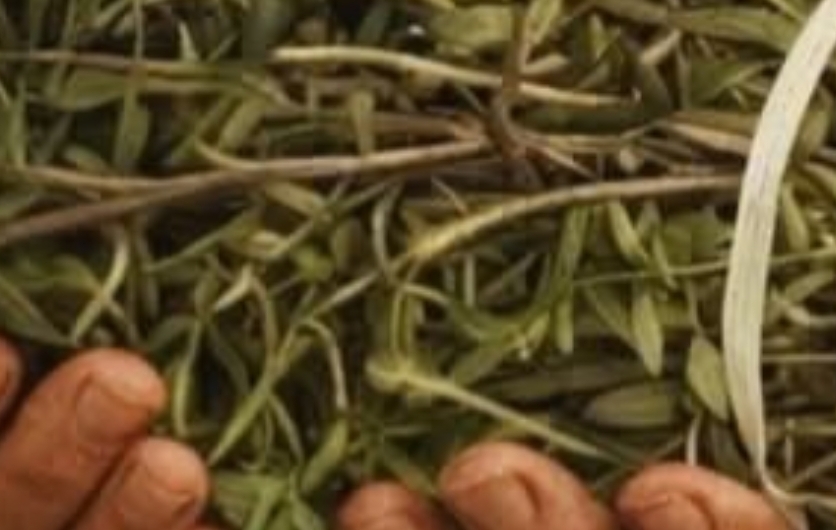
For centuries, traditional healers and village elders relied on certain medicinal plants that modern life has nearly pushed into obscurity. These plants were never treated as “miracle cures,” but rather as natural allies — tools to support balance, resilience, and everyday well-being.Today, interest in these ancestral plants is quietly returning. More people are seeking gentle, plant-based ways to care for their health while respecting the body’s natural rhythms and maintaining a balanced lifestyle.In this article, we explore one of the most respected medicinal plants in traditional practices, why it earned such a reputation, and how it has been used over time — always with responsibility and awareness.⚠️ This article is for educational purposes only and does not replace medical advice.Why This Medicinal Plant Was So Highly ValuedIn traditional herbal systems, this plant was not prized for “curing disease,” but for its broad supportive qualities. Healers valued it because it helped the body:Maintain natural defensesSupport urinary and digestive comfortEase joint stiffness and muscular tensionPromote overall balance and vitalityRather than targeting a single issue, this plant was seen as a whole-body supporter. It was often used during seasonal transitions, periods of fatigue, physical strain, or general imbalance.This holistic approach reflects how traditional medicine viewed health: not as the absence of symptoms, but as harmony between systems.Traditional Uses: Support, Not TreatmentAcross different cultures, this plant was traditionally used to support:🌿 Urinary ComfortOften combined with proper hydration, the plant was included in herbal routines aimed at maintaining urinary balance and comfort, especially during warmer seasons or times of increased physical activity.🌿 Digestive BalanceAfter heavy or irregular meals, mild herbal preparations were commonly used to promote digestive comfort and a sense of lightness, without overstimulating the system.🌿 Joint and Muscle ComfortOlder adults and physically active individuals traditionally used this plant to help ease stiffness and tension, particularly after long days of labor or travel.🌿 Skin and Immune ResilienceSeasonal herbal routines sometimes included this plant to support the body’s natural resistance and skin comfort, especially during environmental changes.Modern research shows that many medicinal plants contain antioxidants, natural phenols, and bioactive compounds that may help the body adapt to daily stressors. This helps explain why these plants were respected for generations — without exaggerating their effects.How It Was Traditionally PreparedTraditional herbal use emphasized simple, gentle preparations, avoiding aggressive doses or long-term continuous use.🍵 1. Herbal Infusion (Tea)Fresh or dried leaves and stemsSteeped in hot (not boiling) water for 10–15 minutesConsumed in moderation, typically once per dayThis method was favored for its mild action and ease of digestion.🌿 2. Light DecoctionOften used for external applicationsPrepared with gentle heat, never vigorous boilingApplied as compresses or washesThis approach was commonly used for skin comfort or localized support.🌸 3. Aromatic UseDried bundles hung indoorsTraditionally believed to promote a fresh, calming atmosphereWhile subtle, aromatic use played a role in daily well-being routines.Importantly, these preparations were used for short periods, not continuously year-round.Why Modern Interest Is ReturningMore people today are rediscovering traditional medicinal plants because they:Prefer gentler, food-like forms of supportWant to reduce reliance on harsh or overly aggressive productsValue ancestral knowledge combined with modern awarenessResearchers now study plant compounds for their antioxidant, antimicrobial, and calming properties. These studies help explain traditional uses while maintaining realistic expectations.The renewed interest is not about rejecting modern medicine — but about integrating gentle plant wisdom into a healthy lifestyle.Safety Considerations You Should Never IgnoreEven natural plants require care and respect.Do not replace prescribed treatmentsAvoid use during pregnancy or breastfeeding without guidanceStart with small amounts to assess toleranceConsult a healthcare professional if you have chronic conditions“Natural” does not mean risk-free. Balance, moderation, and awareness are essential.Final ReflectionThe most powerful medicinal plants are not the ones that promise instant results, but those that quietly support the body over time. When used responsibly, traditional herbs can complement a healthy lifestyle rooted in proper nutrition, movement, rest, and professional guidance.Sometimes, the greatest wisdom isn’t new — it has simply been forgotten.
The Most Powerful Medicinal Plant Many People Still Ignore