
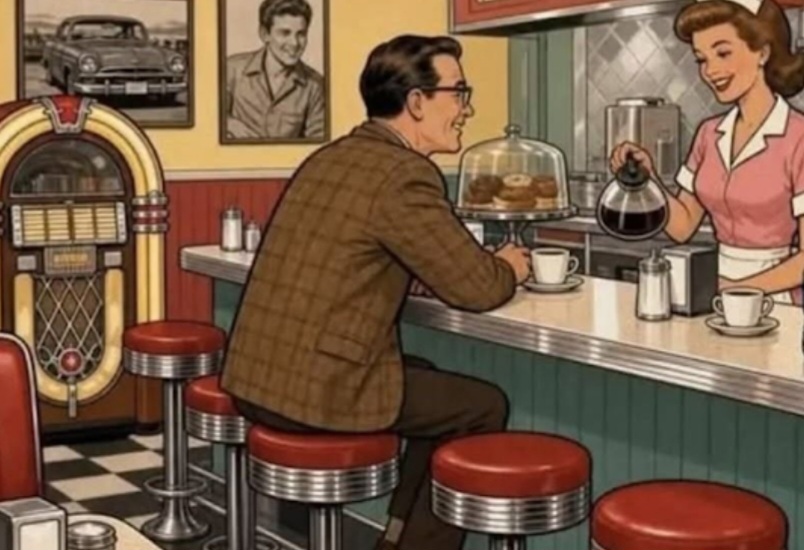
Exploring the Charm of 1960s Diners: Can You Spot the Mistake?
As we dive into the nostalgic world of **1960s diners**, we find ourselves drawn to their vibrant decor, classic menus, and unique cultural significance. These establishments not only serve meals but also offer a trip down memory lane. But what happens when a seemingly perfect representation of a 1960s diner has an incongruity or a mistake? In this article, we will explore the charming details of **1960s diners**, examine the common mistakes found in their depictions, and delve into the social history that surrounds them.
The Allure of 1960s Diners
In the heart of America’s culinary history, the **1960s diner** represents a unique blend of convenience and comfort. These diners were places where friends gathered, families celebrated milestones, and food culture blossomed. They played a significant role in shaping the American dining experience. The typical diner featured bright neon signs, checkerboard floors, and booths that exuded a retro charm.
The Architectural Features of Classic Diners
One might wonder what sets a **1960s diner** apart from other restaurants. Here are several key architectural features that define these iconic establishments:
- Neon Lighting: Bright, flashing signs were essential to attracting customers.
- Formica Tables and Chrome Accents: These materials provided a durable yet stylish look.
- Counter Seating: Long counters with stools contributed to a communal dining experience.
- Retro Decor: Americana memorabilia, jukeboxes, and vintage advertisements adorned the walls.
Iconic Diner Menus
Another hallmark of diners in this decade was their menus. Diners served a variety of foods that appealed to all tastes. Some popular items included:
- Burgers and Fries: A classic combination that remains a favorite today.
- Milkshakes: Thick, creamy milkshakes in a variety of flavors were a must-have.
- Breakfast All Day: Diners often served breakfast staples like pancakes and eggs around the clock.
- Homemade Pies: Freshly baked pies were often the centerpiece of dessert menus.
Can You Spot the Mistake? Understanding the Quirks of Diner Culture
As authentic as **1960s diners** may appear, there are often subtle mistakes made in their representations, especially in modern recreations. This could range from inaccurate decor to inconsistent menu items that do not reflect the era genuinely. Spotting these mistakes can be both entertaining and enlightening. Here are a few common discrepancies:
Mismatch of Timeline and Trends
One prevalent mistake can occur when **1960s diners** include decor or menu items that resonate more with the next decades, such as the trendy health food movements of the 1970s. For instance, seeing a salad bar in a diner that is styled after the 1960s is historically inaccurate.
Misrepresentation of Style
Some **modern interpretations** of diner style fail to capture the authentic mid-century design elements such as vinyl seating and patterned tile floors. Instead, they might incorporate minimalistic trends that were not present during that era.
Menu Misunderstandings
Another common area for mistakes lies in the food. Some diners might offer menu items that were not available or popular during the 1960s, such as sushi or quinoa bowls. This not only represents a deviation from the diner culture but also misleads patrons about what classic diner food really is.
The Cultural Significance of Diners in the 1960s
The **1960s diner** was more than just an eatery. It was a social hub, a safe haven during turbulent times, and a cultural hallmark in America. This was a decade of transformation, from social movements to evolving culinary preferences. Understanding the role diners played during this transformative period can enhance our appreciation for their legacy.
Diners as Social Spaces
In an era marked by significant social change, diners provided an accessible space where various demographics intersected, including **teens**, **families**, and **workers**. They were venues where individual experiences could be shared over a cup of coffee or a slice of pie.
Impact on American Culture
The diner also influenced various aspects of **American culture**, serving as a backdrop for movies, music, and art. From films that celebrated diner culture, such as “American Graffiti” to classic songs capturing the essence of dining out, diners left an indelible mark. This cultural impact helps us reminisce about a distinctly American lifestyle.
Nostalgia and Modern-Day Diners
The enduring appeal of **1960s diners** can also be seen today in the revival of retro-themed establishments. However, while these modern versions seek to recapture the nostalgic charm, it is important to do so authentically. Here are some tips for spotting the true essence of a diner:
The True Ambiance
Look for elements such as:
- Color Schemes: Bold and striking pastel shades.
- Decor: Vintage signs and classic diner memorabilia.
- Atmosphere: A bustling yet welcoming vibe that invites conversation.
Menu Authenticity
In a real **1960s diner**, the menu should include classic American comfort foods like burgers, meatloaf, and a variety of milkshakes. This authenticity gives diners a taste of the past while avoiding modern fusions that stray from the original concept.
The Legacy of 1960s Diners
As we reflect on the significance of the **1960s diner**, it becomes clear that they are more than just places to eat; they represent a rich tapestry of **American culture**. Today, diners may evolve, but their essence remains tied to community, comfort, and nostalgia. The next time you encounter a **diner**, take a moment to appreciate all that it embodies, and perhaps test your observation skills—can you spot the mistake in its representation of the past?
Embrace the charm of retro diners as we continue to celebrate these beloved institutions in American history!