
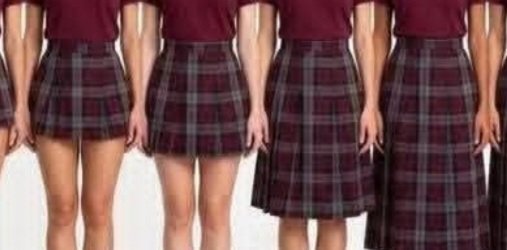
# What Do You Think Is the Right Length for School Uniform Skirts?
When it comes to school uniforms, the length of skirts often sparks conversations among students, parents, and educators alike. Choosing the right length for school uniform skirts is essential for various reasons, including comfort, practicality, and adhering to dress codes. Understanding the factors that influence this choice can help schools foster a positive educational environment while maintaining a sense of style and professionalism.
## Understanding School Uniform Policies
Schools implement uniform policies to promote equality and a focused learning atmosphere. Uniforms help reduce distractions, encourage a sense of community, and simplify the morning routine for families. As part of these uniforms, skirts often represent a significant aspect of dress code discussions.
### Importance of Length in School Uniform Skirts
The length of school uniform skirts can directly impact students' comfort levels and their ability to engage in various daily activities, from classroom learning to physical education classes. The discussion about the ideal skirt length typically revolves around several key factors:
1. **Comfort**: Students need to feel comfortable in their uniforms to focus on learning. Skirts that are excessively long or too short can affect mobility, causing students to feel self-conscious. The right length should allow free movement and comfort throughout the day.
2. **Dress Code Compliance**: Schools generally have guidelines that specify acceptable lengths for skirts. These guidelines often cater to maintaining a professional look while being age-appropriate. Short skirts might lead to distractions and challenges regarding everyday activities, while overly long skirts can be impractical.
3. **Safety**: For practical reasons, skirt length should also consider the students' safety, especially in active school settings. Longer skirts may pose tripping hazards or complications during sports, recess, and other activities.
## Popular Skirt Lengths for School Uniforms
### Knee-Length Skirts
**Knee-length skirts** are among the most commonly accepted lengths for school uniforms. This length typically falls just above or just below the knee, offering a balanced approach to style, modesty, and comfort. Knee-length skirts are versatile; they allow students to participate in a wide array of activities while looking polished.
### Mid-Calf Length Skirts
**Mid-calf skirts** provide a more conservative option, ensuring that students remain covered while expressing their individuality. This length is appropriate for formal events and daily wear alike. However, students may require caution regarding movement, as longer skirts can be cumbersome during physical activities.
### Short Skirts
**Short skirts**, defined as those that fall above the knee, often spark debate. While they can offer a stylish and trendy appearance, they are frequently challenged for being inappropriate in academic settings. Short skirts can create distractions not just for the wearer but also for fellow students and educators.
## Factors Influencing Skirt Selections
When deciding on the appropriate length for school uniform skirts, various factors should be taken into consideration:
### Student Age and Maturity Level
Younger students may require longer skirts for added modesty. As students mature, they often seek styles that reflect their changing preferences. Schools should remain flexible to accommodate different age groups while sticking to general guidelines that promote appropriate attire.
### Climate Considerations
Weather can heavily influence the appropriate length of skirts. In warmer climates, shorter skirts may be preferred for comfort, while cooler regions may mandate longer styles. Schools might consider a seasonal dress code to adapt to varying weather, allowing for adjustments in uniform length without compromising professionalism.
### Cultural Sensitivity
Different cultures may have varying expectations regarding modesty and appropriateness in attire. Schools should respect these cultural differences when developing uniform policies. Engaging with parents and community leaders can help create inclusive guidelines that reflect the diversity of the student body.
## The Role of Parents and Educators
### Collaboration
Parents and educators should work collaboratively when selecting uniform skirt lengths. Input from both parties ensures that the chosen lengths meet students' practical needs while aligning with school policies. Surveys or community discussions can provide insight into preferences and concerns.
### Setting a Dress Code
Creating a clear dress code that outlines acceptable skirt lengths, styles, and overall appearance is essential for enforcement. For transparency, the dress code should be communicated effectively to students and parents, making sure everyone understands expectations. Schools might even consider involving students in discussions around dress code to give them a voice in the process.
## Conclusion
Ultimately, the right length for school uniform skirts depends on a mix of factors, including comfort, safety, adherence to dress codes, climate, and cultural perspectives. Striking a balance between student individuality and school policies is crucial. School administrators, parents, and students should engage in conversations that address preferences while keeping educational environments focused and professional.
In conclusion, while there is no one-size-fits-all answer to the skirt length question, fostering open dialogue can lead to a solution that respects the needs of all parties involved. By carefully considering the various factors and promoting a collaborative approach to school uniform policies, institutions can create an environment where students feel comfortable and confident in their choices.